
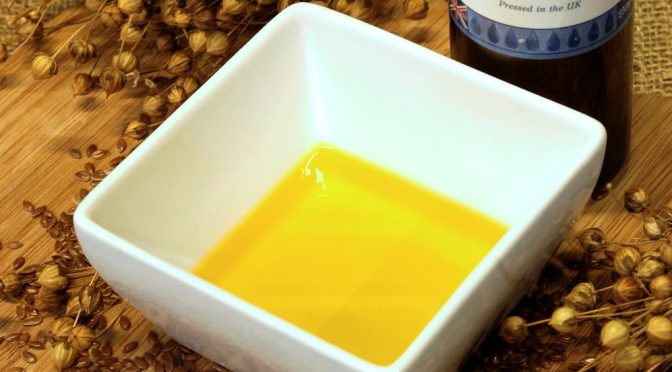
I once heard a friend who was helping me on the Flax Farm stall at a farmers’ market say to a customer with arthritis, “Flaxseed oil oils the joints.” When we had a quiet moment, I gently told her she couldn’t put it quite like that but she replied, “But that’s what it feels like.”
Just add flax?
Some people just add flax to their diet – some just take it on a teaspoon to good effect but it’s much better to use it as part of a healthy diet. Swapping out the more inflammatory fats, such as vegetable oils rich in omega-6 (the pro-inflammatory fat) and saturated fats and using flaxseed oil instead can make an even greater improvement.
Watch out for foods you personally may have issues with that can make joints ache, monitor what you eat and when the aches seem worse after some foods such as cheese, milk, tomatoes, bread, oats, and potatoes which can all cause joint aches for some people.
Arthritis and associated conditions
Arthritis is an inflammatory condition that affects the joints, causing stiffness and pain. Almost any joint can be involved, but the most commonly affected are the hips, knees and fingers. The most frequently recognised forms of arthritis are osteoarthritis, rheumatoid arthritis and gout.
Many people with arthritis also experience other inflammatory conditions. These are not always obvious and may not involve visible redness or swelling. Inflammation can be metabolic, autoimmune, or a combination of both, and it can occur anywhere in the body.
Commonly associated conditions include high blood pressure (hypertension), diabetes, dry eyes (such as Sjögren’s syndrome), and other inflammatory conditions, including blepharitis (inflamed eyelids), IBS, colitis, Crohn’s disease, sciatica, eczema, asthma and even stress.
Although arthritis is often described as a degenerative condition, not everyone with joint wear and tear develops arthritis. This is why arthritis is best understood as a condition involving the whole body, not just the joints.
Arthritis symptoms often vary from day to day. The fact that pain and stiffness can improve shows that positive change is possible.
Holistic lifestyle changes to support arthritis
Treating the whole body is one of the most effective ways to help break the cycle of inflammation that drives arthritis. Small, consistent changes can add up — and together they form the first steps towards recovery.
Key lifestyle areas to focus on include:
-
Diet
-
Exercise
-
Sleep
-
Everyday lifestyle choices
Using flax in the diet to help combat arthritis and inflammation
Foods to add to your diet
Omega-3
Omega-3 is an essential fat that many people do not get enough of. It helps balance inflammatory fats in the diet and supports the production of anti-inflammatory prostaglandins (small, locally acting hormone-like substances). These play a role in pain relief, joint suppleness and tissue repair.
Cold-pressed linseed (flax) oil is a rich, natural source of omega-3.
SCFAs (short-chain fatty acids)
(You may wish to expand briefly here if needed, or link to further reading.)
Foods to limit or exclude
-
Highly processed foods
-
Excess refined sugars
-
Imbalanced fats that promote inflammation
Maintaining a healthy acid–alkali balance through whole, plant-rich foods may also support inflammatory control.
Other simple, natural approaches to support joint health
-
Gentle movement and mobility work – lots of videos on the internet can give as much or more relief than physios, osteopaths or chiropractors.
-
Stress reduction – stress encourages your body to produce inflammatory hormones. Practice mindfulness, yoga, and pleasant walks in as natural an environment as possible. Studies have shown that being amongst trees can help lower inflammation and improve mood.
-
Supporting gut health – more veggies, more ground flax, more and different plants produce a better gut biome.
-
Consistent sleep routines – poor sleep promotes inflammation; better sleep promotes healing.
Helpful links for arthritis
www.do-it-yourself-joint-pain-relief.com
Practical DIY physiotherapy techniques to release tension and improve joint mobility.